The Historical Context of Rubber Injection Molding
In the late 19th century, the world of manufacturing saw a significant revolution with the advent of rubber injection molding. As demand surged, manufacturers sought more efficient methods (let’s face it—hand crafting was just not cutting it). Today, rubber injection molding has evolved, becoming an essential process in producing durable components across various industries. Yet, the journey is replete with challenges. How does one ensure both quality and efficiency in a process so vital to modern manufacturing? This is particularly pertinent when discussing oem rubber injection molding, which remains a cornerstone for countless applications.

Identifying Hidden Pitfalls
While rubber injection molding boasts numerous benefits, I’ve observed that many businesses overlook critical flaws inherent in traditional workflows. For example, insufficient equipment maintenance can lead to catastrophic failures, resulting in wasted time and resources. I recall a project back in 2015 where our processing machine broke down mid-production, costing us a hefty sum and client trust. This scenario is not uncommon. It prompts us to ask: what preventive measures can be implemented to maintain operational integrity? Addressing these hidden pain points may not only streamline production but also enhance overall product quality.
Is Your Workflow as Efficient as It Could Be?
A Look Ahead: Advancements in Rubber Injection Molding
Looking toward the future, innovations in oem rubber injection molding are poised to reshape the sector. The introduction of AI-driven diagnostics is one area that could revolutionize routine maintenance checks, helping catch inefficiencies before they escalate. Imagine a scenario where your machines can self-report issues—giving you peace of mind while allowing you to focus on production. This forward-looking approach brings up the question: are we ready to invest in these technologies, or will we continue to rely on outdated methods? The choice is certainly critical.
What Lies Ahead for the Industry
As we navigate the complexities of rubber injection molding, we must remember the advancements available to us (hi-tech is here to stay). By actively engaging with emerging tools, manufacturers can better address their concerns about cost, efficiency, and product integrity. As I look back on my 20 years in this industry, I firmly believe that a proactive mindset will not only reduce headaches down the line but also present opportunities for growth and expansion. Adopting contemporary practices today equips us for future success.
In sum, I have observed that understanding both the established processes and the modern tools at our disposal is crucial for navigating the future of rubber injection molding. By addressing inherent flaws and embracing innovation, we can pave the way for a more sustainable and efficient industry. I encourage manufacturers to evaluate their current operations—ask yourselves what metrics truly matter. Quality control, production speed, and equipment reliability—these are the pillars upon which your success might stand.
Remember, the landscape of rubber injection molding is continuously shifting. Engaging with the right partners, like Livepoint, can make all the difference in navigating this critical phase.
291 ARTICAL
The Hidden Benefits of OEM Rubber Injection Molding You Might Not Know About
Understanding the Basics of OEM Rubber Injection Molding
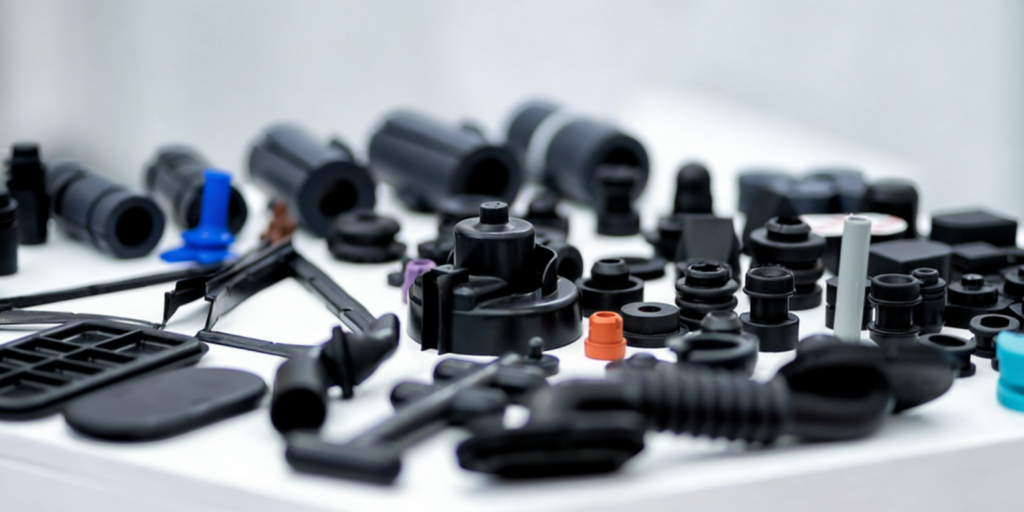
Have you ever wondered how the parts of machinery come to life? In the world of manufacturing, the process isn’t just about assembling; it’s about shaping materials to meet precise specifications. One such method is oem rubber injection molding, a technique that allows for efficient production of complex rubber components. Imagine this: in 2022, the global rubber injection molding market reached $18.5 billion. So, why is this method gaining traction among manufacturers?
Common Misconceptions and Hidden Challenges
Many people underestimate the complexities of materials in rubber injection molding. I remember working on a project where various rubber materials were actually put to the test for their durability. Surprisingly, not all of them delivered as promised. Some vendors claimed their products were ‘top-notch,’ but upon deeper inspection, we found issues like low tolerances and poor elastic recovery—two critical factors for any rubber part. In my experience, choosing the right material can dramatically impact product functionality, particularly in high-performance applications.
What Should Manufacturers Consider?
When selecting an OEM rubber injection molding service, manufacturers should focus on several key factors. Factors such as material selection, tooling precision, and consistency can significantly affect the product’s overall performance. I have often seen manufacturers frustrated with late deliveries and subpar quality. These are not just bumps in the road; they can lead to potential financial pitfalls.
The Future of OEM Rubber Injection Molding
Looking ahead, the advancements in oem rubber injection molding are nothing short of exciting. With new technologies, manufacturers are exploring ways to increase efficiency and reduce waste. As I review current industry trends, I can’t help but feel enthusiastic about the prospects of integrating eco-friendly materials into our processes. Not only are these innovations good for the environment, but they can also lead to substantial cost savings in the long run. It’s a win-win; plus, my fingers are crossed that this trend becomes the norm rather than the exception!
Real-world Impact of Innovations
Moreover, those advancements translate into real-world improvements. For instance, I’ve noticed that implementing automated processes in rubber injection molding helps enhance quality control. Last year, one of my clients adopted such technology and saw an immediate 30% reduction in waste while increasing production speed. That’s impressive, right? It proves that staying abreast of industry changes can yield tangible benefits.
Lessons Learned and Key Takeaways
In conclusion, the realm of OEM rubber injection molding offers both challenges and remarkable opportunities. Through my journey in this industry, I’ve come to understand that adaptation and proactive learning are crucial for success. As you evaluate suppliers, consider looking not only at price but also at their technical capabilities and material offerings. Remember, the choices you make can determine the longevity and reliability of your products.
Ultimately, understanding the hidden benefits of this technique can empower manufacturers to make informed decisions. I encourage you to engage with experts who can provide tailored insights into your unique needs. For those looking to delve deeper into this field, Livepoint is an excellent resource.