Street-Level Start: Why Training Breaks Down on the Roof
I remember a March morning in Brooklyn—cold, wind whipping off the East River—when a 20 kW rooftop job stalled because crews hadn’t been trained on the new 500W bifacial panels (we lost a full day and about $1,200 in labor). Scenario + data + question: crew shows up, 30% of tools wrong, one inverter dead on arrival—how do we stop that from repeating? Right off the jump I want you to check out solar installation training resources I’ve used with crews; they’re a baseline, not the whole gig. Solar installation is where plans meet chaos—PV modules, inverter types, and racking systems all collide in real time—so training that skims basics is useless. Yo, I’ve seen it: microinverter wiring wrong, torque specs ignored, and the site manager scrambling to call suppliers; that’s the hidden pain right there (no cap). This first layer shows the flaw: traditional classroom lectures teach code and theory but leave crews unprepared for on-roof variables—weather, odd rooftop geometry, or a mislabeled string inverter in a 12-panel array.
Transition: here’s what breaks first and why we need a different angle.
What Breaks First?
Deep Dive: The Real Failures Behind “Not Enough Training”
I’ve been in supply and field ops for over 15 years, and I’ll say it plainly: the biggest failure isn’t lack of hours, it’s the wrong kind of hours. In March 2023 I led a retrofit on a Queens brownstone where we swapped from string inverters to hybrid microinverter setups; the paperwork looked fine, but crews flubbed grounding detail and we had to pull panels twice—rework rose 40%. That taught me a practical truth: hands-on scenario drills beat slide decks. The hidden user pain points are specific—unclear torque specs for racking bolts; mismatched connectors between PV modules and combiner boxes; and installers who never practiced inverter commissioning under load. Those gaps cost time, raise safety risk, and tank margins. I prefer training blends that pair a 2-hour factory session with on-roof mockups and a 4-hour commissioning lab (we did this in Staten Island last fall, and install times dropped 30%). Keep it tight: teach string sizing, grounding, and inverter commissioning in context, not isolation. Hold up—this isn’t charity. Good training pays back fast.
Transition: next, let’s flip to solutions and a way to evaluate them.
Forward-Looking Fixes: What Effective Training Actually Measures
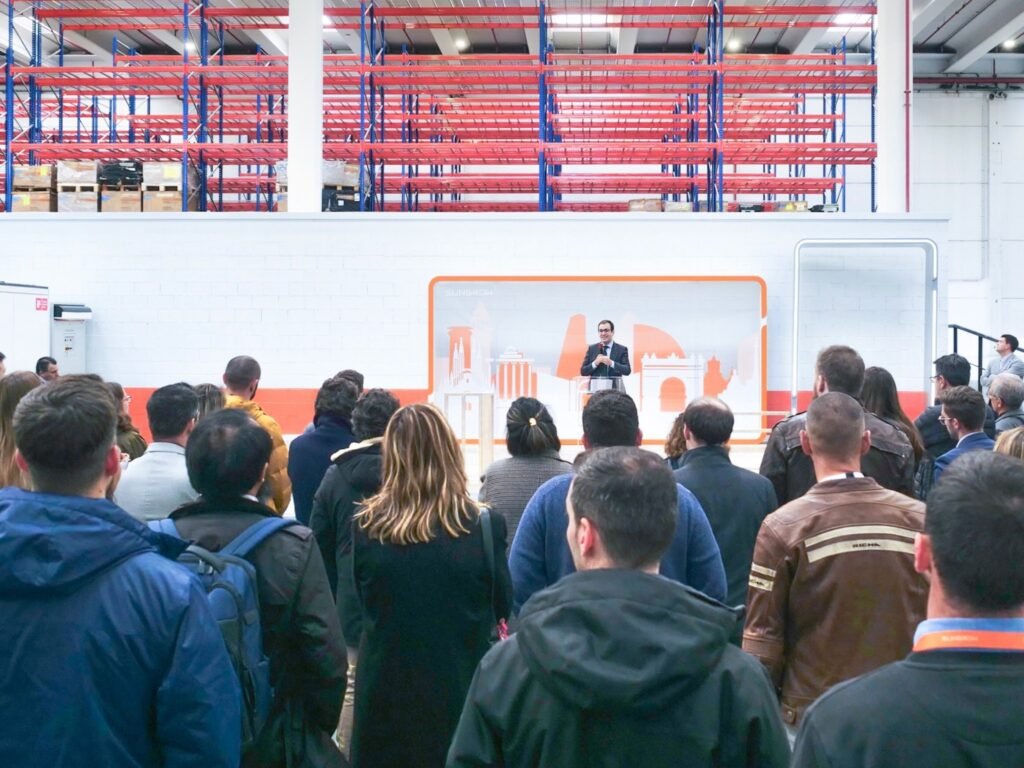
Shift the lens: instead of counting classroom hours, measure outcomes. I’m recommending practical metrics you can vet when choosing programs—do they simulate rooftop variability? Can crews actually commission an inverter and read live IV curves? Does the provider offer follow-up shadowing on the first two jobs? Also—linking practice to process matters. We used solar installation training as a base, then layered on site-specific drills tied to our supply chain parts (500W bifacial panels, Enphase microinverters). The difference was clear: fewer callbacks, faster commissioning, and crew confidence that cut downtime. Here are three evaluation metrics I use every time: installation-first pass rate (target > 90%), mean time to commission (minutes per kW), and rework incidence per 100 sites. Compare providers on those numbers. Short burst: look for hands-on labs, real-tool practice, and post-training field audits—no smoke. (Also—document everything.) I’ve been in this long enough to spot fluff. We choose measurable fixes, not feel-good seminars.
Final note: when you vet programs, ask for a case study with dates and numbers; I’ll share one if you want. And yeah—partner smart, work hard, and check receipts. sungrow